
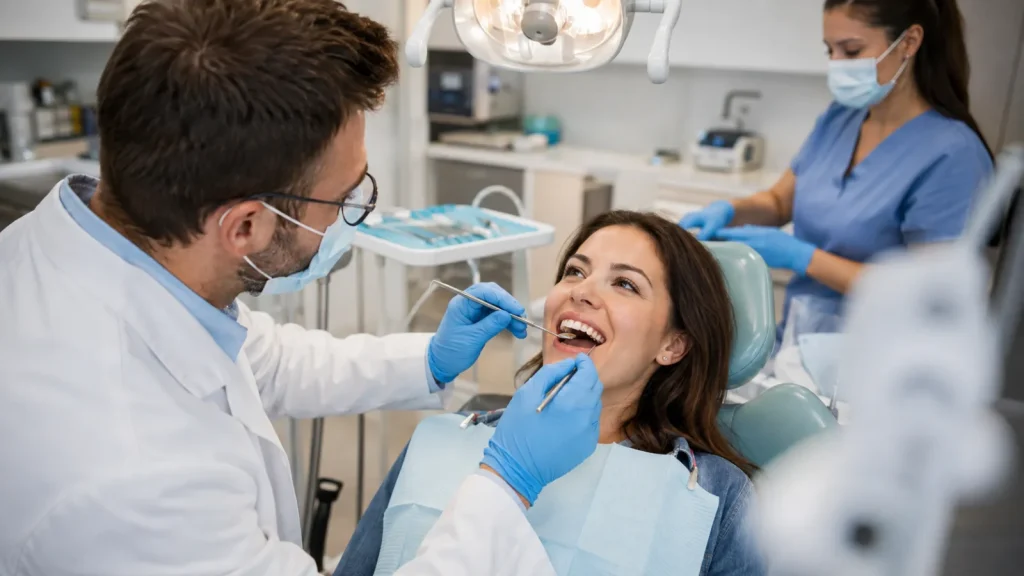
Choosing orthodontic treatment is about more than getting straighter teeth. Properly aligned teeth may be easier to clean, while an improved bite can help the teeth work together more comfortably. The right treatment can also give patients more confidence in their smiles.
For people exploring orthodontics in Oviedo, FL, two of the most familiar options are traditional braces and clear aligners. Both apply controlled forces to move teeth gradually, but they differ in appearance, daily care, flexibility, and suitability for particular orthodontic concerns.
This comparison explains how each option works, what treatment may feel like, and which questions patients should ask before deciding.
This article provides general educational information and is not a diagnosis or personalized treatment recommendation. An orthodontist must examine the teeth, gums, bite, and supporting structures to determine which options are clinically appropriate.
What Does Orthodontic Treatment Address?
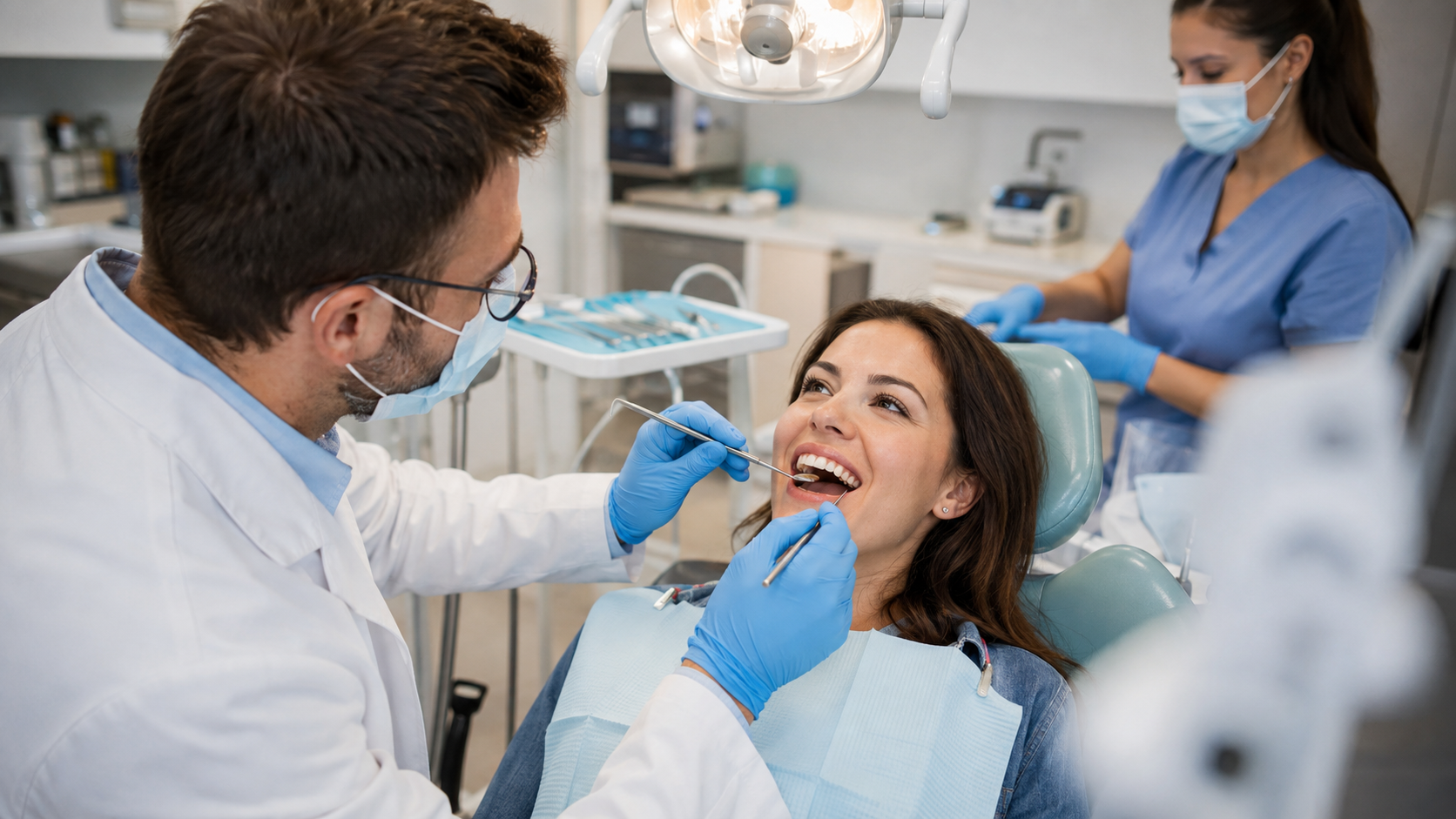
Orthodontics focuses on the position of the teeth and jaws. A patient may seek care because of crowded teeth, spaces, an overbite, an underbite, a crossbite, or teeth that do not meet evenly. Some people are mainly concerned about appearance, while others notice difficulty cleaning overlapping teeth or discomfort when biting.
Orthodontic appliances use gentle, planned pressure to guide teeth into new positions. This movement occurs as the tissues and bone around each tooth respond to the applied force. Research on orthodontic tooth movement describes this as a biological remodeling process involving the periodontal ligament and surrounding bone.
Treatment needs vary widely. A small space between front teeth is different from significant crowding or a complex bite problem. Age, oral health, previous dental work, jaw development, and consistency with instructions can all affect the recommended approach.
How Traditional Braces Work
Braces use brackets attached to the teeth and an archwire that guides movement. The orthodontist adjusts the system over time so the teeth move in a carefully planned sequence.
Modern braces are not limited to one style. Depending on the patient and the practice, options may include metal braces, tooth-colored ceramic braces, self-ligating systems, or braces placed behind the teeth. Sonrisa Dental Specialists lists metal, ceramic, lingual, and self-ligating braces among its orthodontic options.
Potential advantages of braces
- They stay in place: Patients do not need to remember to insert the appliance each day.
- They can provide precise control: Braces may be useful when individual teeth require complex movement or when the bite needs substantial correction.
- They work across many age groups: Children, teenagers, and adults may all be candidates.
- They offer appearance choices: Ceramic brackets may be less noticeable than conventional metal brackets.
Considerations before choosing braces
Brackets and wires create extra places where plaque and food can collect. Patients need to brush carefully around the gumline and each bracket, clean between the teeth, and continue regular dental checkups. Inadequate plaque control around fixed appliances can contribute to enamel demineralization, sometimes seen as white spots around brackets.
Patients may also need to avoid very hard, sticky, or chewy foods that could bend a wire or loosen a bracket. A newly placed appliance or adjustment can make the teeth feel tender temporarily, although the experience differs from person to person.
How Clear Aligners Work
Clear aligners are removable plastic trays created to fit closely over the teeth. Patients move through a prescribed series of trays, with each set designed to make a small part of the planned movement.
Some treatment plans include small tooth-colored attachments bonded to selected teeth. These attachments give the aligners a better grip and help direct specific movements. Other cases may require elastics or additional orthodontic procedures.
Potential advantages of clear aligners
- Discreet appearance: The trays are transparent and often less noticeable in everyday conversation.
- Removability: Patients can take them out for meals and oral hygiene as directed.
- No bracket-related food restrictions: Because the trays come out for eating, patients can generally continue enjoying their usual foods.
- Familiar brushing and flossing: Patients can clean their teeth without working around fixed brackets and wires.
Considerations before choosing aligners
Removability is helpful only when the patient is consistent. Aligners generally need to be worn according to the orthodontist’s instructions and should not be left out for long periods. Frequently forgetting them can interfere with planned movement.
Aligners also require organization. They need to be stored safely when removed, cleaned appropriately, and changed on the prescribed schedule. Hot water should be avoided because it can distort the plastic.
Clear aligners can address many orthodontic concerns, but they are not automatically the best option for every bite or tooth movement. A clinical evaluation is necessary to determine whether aligners can predictably address a patient’s needs.
Braces vs. Clear Aligners: A Practical Comparison
Appearance
Clear aligners are usually the less visible choice. Ceramic braces may provide a middle ground for patients who want fixed treatment with a subtler appearance.
Daily responsibility
Braces remain attached, so they continue working without the patient remembering to put them back in. Aligners demand stronger day-to-day habits because they must be worn consistently and kept track of.
Eating
Braces come with food precautions to protect the brackets and wires. Aligners are removed for meals, but patients should clean their teeth before reinserting the trays when possible.
Oral hygiene
Aligners allow normal access for brushing and flossing, although both the teeth and trays must stay clean. Braces require additional attention around brackets, wires, and the gumline. In either case, orthodontic care does not replace routine preventive visits with a general dentist.
Treatment complexity
Braces may provide advantages for certain complex movements because they give the orthodontist continuous control. Clear aligners can manage many mild, moderate, and some complex concerns, but suitability depends on the anatomy, bite, and treatment goals.
Comfort
Both options apply pressure, so temporary tenderness can occur. Braces may occasionally irritate the cheeks or lips, particularly early in treatment. Aligner edges or attachments may also feel unfamiliar at first. Patients should contact the orthodontic office if discomfort is severe, persistent, or linked to a broken appliance.
What Happens at an Orthodontic Consultation?
An orthodontic consultation is the best way to move from general information to a recommendation tailored to one smile. The visit may include a discussion of concerns, an examination of the teeth and bite, photographs, and digital records.
According to its new-patient consultation information, Sonrisa Dental Specialists offers a complimentary orthodontic consultation that includes a clinical evaluation, an iTero 3D digital scan, a digital simulation, a personalized review of treatment options, and an explanation of costs and financing. Digital scanning may also reduce the need for traditional impression material when appropriate.
Patients should leave a consultation understanding:
- Which orthodontic concerns were identified
- Whether braces, aligners, or another approach may be suitable
- What participation will be required at home
- How progress will be monitored
- What the estimated treatment fee includes
- Whether insurance benefits or financing options may apply
- Why retainers will be needed after active treatment
An estimated treatment duration may also be discussed, but no single timeline applies to everyone. The amount and type of movement needed, missed appointments, appliance problems, growth, and aligner wear can all influence progress.
How to Care for the Smile During Treatment
Healthy teeth and gums provide the foundation for successful orthodontic care. Patients should brush thoroughly with fluoride toothpaste and clean between their teeth every day. Those with braces may benefit from floss threaders, interdental brushes, or a water flosser, although these tools should be used as directed by a dental professional.
Aligner patients should avoid placing trays over teeth coated with food debris or sugary drinks. Water is generally the safest beverage while wearing trays unless the clinician gives different instructions.
Regular dental cleanings and examinations remain important throughout treatment. The general dentist monitors for cavities and gum problems, while the orthodontist focuses on tooth movement and bite correction. These roles complement each other.
Once active treatment ends, retainers help maintain the new tooth positions. Teeth can shift over time, so patients should follow their orthodontist’s retainer instructions rather than assuming treatment is finished when braces or aligners come off.
Frequently Asked Questions
Are clear aligners faster than braces?
Not necessarily. Treatment speed depends on the movements required, the patient’s biology, and how closely instructions are followed. Aligners may be efficient for certain cases, while braces may be more appropriate for others. An individual estimate should come from the treating orthodontist.
Are braces only for children and teenagers?
No. Adults can receive orthodontic treatment as long as their teeth, gums, and supporting structures are healthy enough for the planned movement. Existing crowns, bridges, implants, or gum concerns may require additional planning.
Can patients switch from aligners to braces?
Sometimes. If treatment is not progressing as expected or a patient’s needs change, the orthodontist may discuss modifying the plan. Whether switching is appropriate—and whether it changes the fee—depends on the individual case and treatment agreement.
How much does orthodontic treatment cost in Oviedo?
Cost varies according to case complexity, appliance type, estimated treatment needs, and what is included in the plan. Insurance coverage also differs. Patients should request a written breakdown covering records, appointments, appliances, retainers, and possible replacement fees before starting.
Will orthodontic treatment hurt?
Patients often notice pressure or temporary tenderness when treatment begins or after an adjustment or new aligner. Severe pain is not something to ignore. A patient experiencing significant or worsening discomfort should contact the orthodontic office for guidance.
Does every patient need a retainer?
Most patients need retention after active tooth movement. Retainers help protect the result while the tissues adapt and over the longer term. The type and wearing schedule should be personalized by the orthodontist.
Choosing Orthodontics in Oviedo, FL
The best orthodontic option is not simply the most discreet or familiar one. It is the approach that fits the patient’s clinical needs, daily habits, priorities, and ability to follow the treatment plan.
Sonrisa Dental Specialists provides orthodontic consultations at its Oviedo office at 4250 Alafaya Trail, Suite 180, Oviedo, FL 32765. Patients considering braces or clear aligners can schedule a consultation to ask questions, review digital records, and receive recommendations based on their own smile.
There is no need to choose between braces and aligners alone. A professional evaluation can clarify the differences and help each patient take a comfortable, informed next step.