
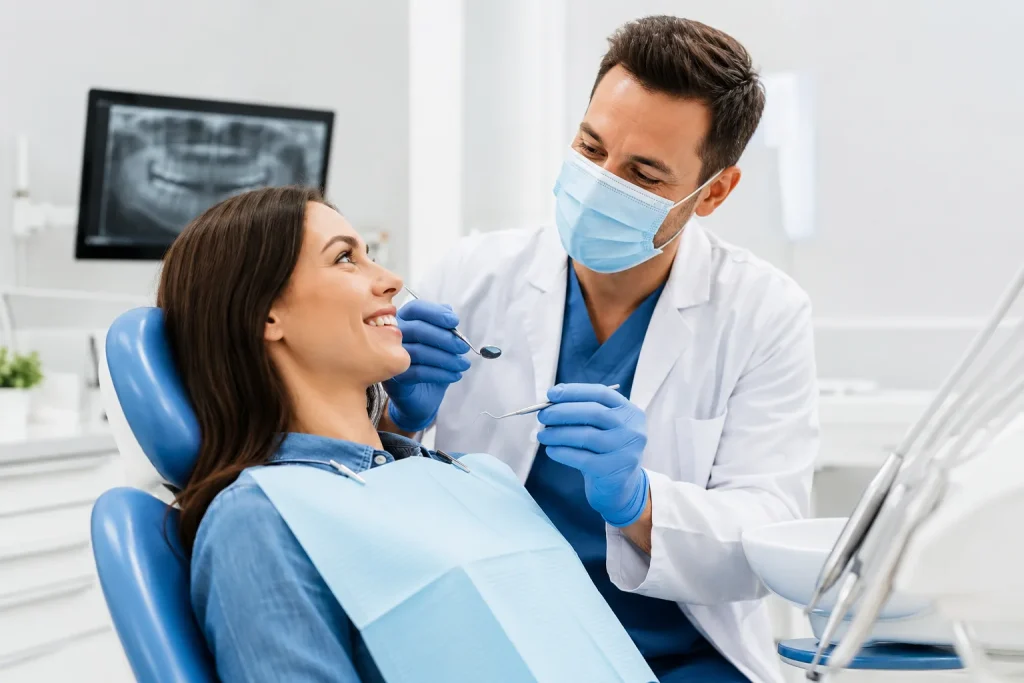
A bright smile can make a person feel more confident at work, in photos, and during everyday conversations. Yet even healthy teeth can become dull or stained over time. Coffee, tea, red wine, tobacco, aging, and certain medications may all affect tooth color.
For people considering teeth whitening in Oviedo, FL, the number of products and treatment options can feel overwhelming. Whitening strips, toothpastes, custom trays, and in-office treatments all work differently. The best choice depends on the type of discoloration, oral health, sensitivity, goals, and budget.
This guide explains how teeth whitening works, what professional care may offer, and what patients should know before brightening their smiles.
This article provides general educational information and is not a substitute for an examination or personalized advice from a dentist. Anyone with tooth pain, gum irritation, significant sensitivity, or unexplained discoloration should consult a dental professional before whitening.
Why Do Teeth Become Stained?
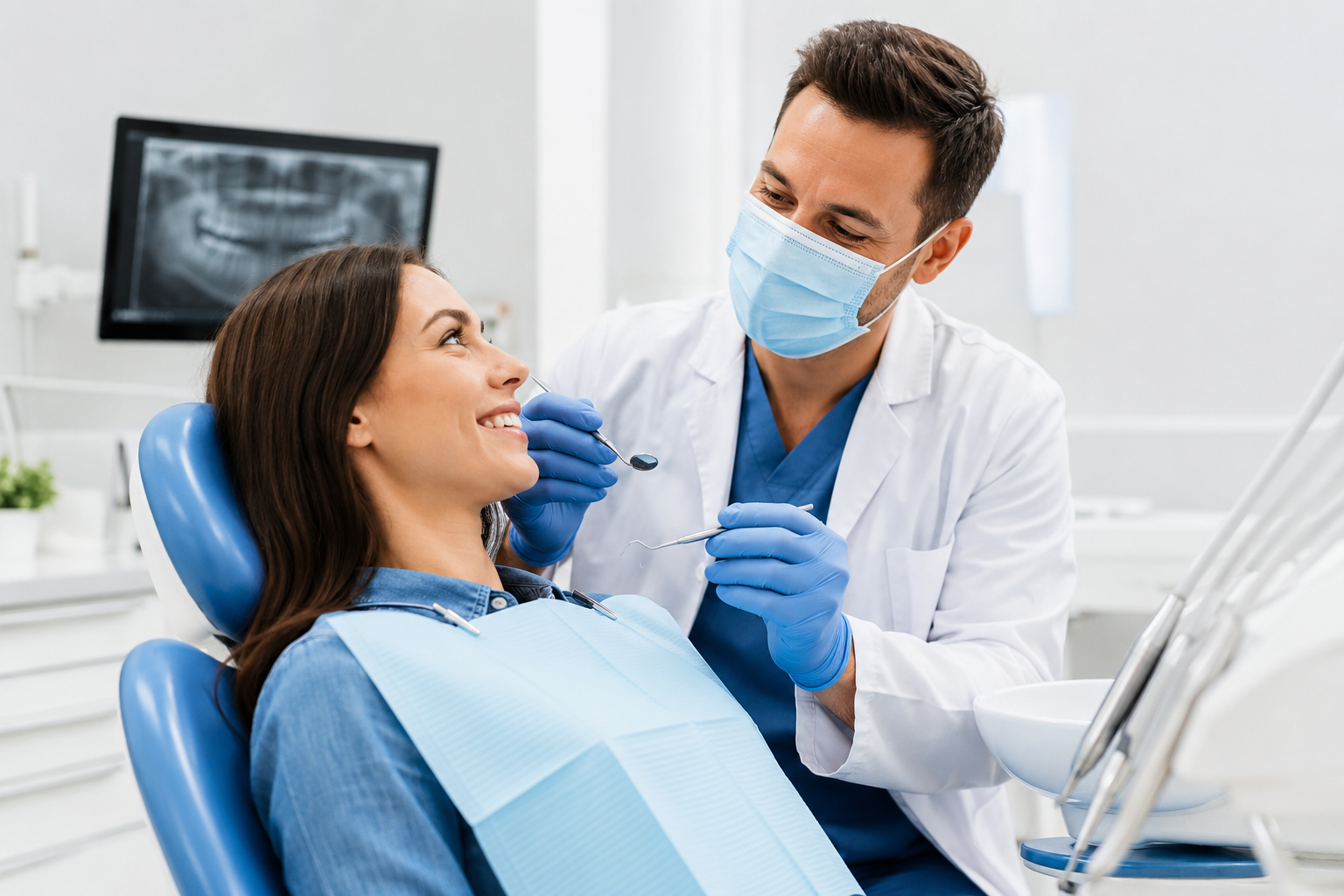
Tooth discoloration does not always mean that someone has poor oral hygiene. Teeth naturally vary in shade, and their appearance can change with age and daily habits.
Surface stains
Surface stains, also called extrinsic stains, collect on the outside of the teeth. Common contributors include:
- Coffee and tea
- Red wine and dark-colored soft drinks
- Tobacco products
- Dark sauces, berries, and strongly pigmented foods
- Plaque or tartar buildup
A professional cleaning may remove some buildup and external staining. However, cleaning and whitening are not the same procedure. Cleaning focuses on oral health by removing plaque and tartar, while whitening uses bleaching ingredients to make teeth appear lighter.
Discoloration within the tooth
Intrinsic discoloration develops within the tooth structure. It may relate to aging, dental trauma, medication exposure, or changes inside a tooth. These stains can be more difficult to whiten and may respond differently from ordinary food and beverage stains.
A tooth that suddenly turns gray or dark—especially after an injury—should be evaluated rather than simply covered with whitening products. A dentist can check for an underlying dental concern and discuss suitable cosmetic options.
How Does Teeth Whitening Work?
Most bleaching products use peroxide-based ingredients that break down stain-causing compounds in the teeth. This can make the natural tooth structure look lighter without removing a layer of enamel.
The concentration of the whitening ingredient, the amount of time it stays on the teeth, and the way it is applied all influence the experience. Stronger does not automatically mean better. A carefully selected approach helps balance noticeable improvement with patient comfort.
According to the American Dental Association, a dental examination before bleaching can help identify the causes of discoloration, existing restorations, allergies, sensitivity, and oral health concerns that could affect treatment.
Professional Whitening vs. Store-Bought Products
Both professional and over-the-counter products may lighten certain stains, but they differ in customization, supervision, strength, and convenience.
In-office whitening
In-office whitening is performed under dental supervision. The dental team protects the gums and other soft tissues before applying a professional whitening material. Depending on the system used and the patient’s goals, the process may involve one or more applications during the visit.
This option often appeals to patients who want a more closely supervised experience or are preparing for an upcoming event. Results vary based on the starting shade and the type of staining, so no dentist can promise one specific final color.
Dentist-provided take-home whitening
A professional take-home system usually includes whitening gel and trays designed to fit the patient’s teeth. A close fit can help distribute the gel more evenly and limit unnecessary contact with the gums.
Patients complete treatment at home according to their dentist’s instructions. This option can be useful for those who prefer a gradual process or want more control over when they whiten.
Over-the-counter whitening
Drugstore strips, gels, pens, and whitening toothpastes are widely available. Some may help with mild staining when used exactly as directed. Because these products are made for a broad range of users, they are not customized for a person’s bite, restorations, gum condition, or sensitivity history.
Whitening toothpaste primarily helps remove surface stains through polishing ingredients. It does not necessarily change the deeper color of a tooth in the same way that a bleaching product can. Excessive scrubbing or using a highly abrasive product may also irritate sensitive teeth or exposed roots.
Who May Be a Good Candidate for Whitening?
Whitening may be appropriate for an adult with healthy teeth and gums who wants to reduce yellow or brown discoloration. However, a dental evaluation is especially helpful because not every stain responds equally.
A dentist may recommend addressing cavities, leaking fillings, cracked teeth, or active gum inflammation before whitening. Applying whitening gel when oral health problems are present may increase discomfort or delay needed care.
Patients should also discuss whitening with a dentist if they:
- Already experience significant tooth sensitivity
- Have exposed roots or gum recession
- Have crowns, veneers, bonding, bridges, or tooth-colored fillings
- Are pregnant or nursing
- Have a history of allergies to whitening ingredients
- Have one tooth that is noticeably darker than the others
Whitening does not change the color of restorations
Crowns, veneers, bonding, and tooth-colored fillings generally do not whiten like natural teeth. If the surrounding teeth become lighter, an existing restoration may look darker by comparison.
This does not always prevent someone from whitening. It simply means the treatment plan should account for visible dental work. In some cases, a dentist may discuss whether a restoration needs to be replaced after the desired tooth shade has been reached.
What to Expect From a Whitening Consultation
A whitening consultation is an opportunity to discuss what bothers the patient about the smile and what type of result would look natural. The dental team may review health history, sensitivity, previous whitening experiences, and current dental work.
The dentist may also examine the teeth and gums, identify the likely cause of discoloration, and record the starting shade. If whitening is appropriate, the patient can ask about available methods, comfort measures, expected upkeep, and total cost.
Professional guidance is valuable because a brighter smile should not come at the expense of oral health. In some situations, cleaning, bonding, veneers, or treatment for an unhealthy tooth may be more appropriate than bleaching.
Is Teeth Whitening Safe?
Teeth whitening is generally considered a conservative cosmetic option when an appropriate product is used correctly. The most commonly reported concerns are temporary tooth sensitivity and irritation of the gums or other soft tissues.
Sensitivity may feel like a brief response to cold air, water, or food. Gum irritation can occur when whitening material sits on the soft tissues. Product selection, careful application, and professional supervision may help manage these effects.
Patients should not assume that leaving whitening gel on longer will create a better result. Using too much product or whitening more often than instructed may increase irritation without delivering a more attractive shade.
If discomfort becomes intense, persists, or is limited to one tooth, whitening should be paused and a dentist should be contacted. Pain can sometimes have a cause unrelated to the whitening product.
How Long Will a Whiter Smile Last?
Whitening is not permanent. Teeth continue to encounter pigments from food, drinks, tobacco, and normal aging. How long the improvement remains noticeable depends on personal habits, oral hygiene, and the original cause of discoloration.
Patients can help preserve their results by:
- Brushing twice daily with a fluoride toothpaste
- Cleaning between the teeth every day
- Keeping up with routine dental examinations and cleanings
- Rinsing with water after coffee, tea, or other dark beverages
- Using a straw for suitable cold drinks
- Avoiding tobacco products
- Following the dentist’s guidance about touch-up whitening
There is usually no need to avoid every favorite food permanently. Small, consistent habits can help reduce new staining while supporting overall dental health.
Choosing Teeth Whitening in Oviedo, FL
When comparing whitening options, patients should look beyond advertisements that promise an extremely white smile. A reputable dental team will first consider oral health, explain realistic possibilities, and discuss how restorations or sensitivity could affect the result.
Helpful questions to ask include:
- What type of staining is present?
- Is whitening appropriate for the patient’s teeth and gums?
- Which treatment options are available?
- How can sensitivity be managed?
- Will existing crowns, fillings, or bonding still match?
- What is included in the quoted fee?
- How should the result be maintained?
Cosmetic whitening is commonly considered elective, so dental insurance may not cover it. Fees vary based on the system used and the individual treatment plan. Patients should request a clear estimate before moving forward rather than relying on a general online price.
Frequently Asked Questions About Teeth Whitening
Can yellow teeth become white again?
Many yellow-toned stains respond to bleaching, but every smile has a natural color range. The degree of change depends on the cause and depth of discoloration. A dentist can explain what appears realistic after examining the teeth.
Does whitening damage enamel?
Appropriate whitening products are intended to lighten teeth without removing enamel. Problems are more likely when products are misused, applied too frequently, or used despite an untreated dental condition. Following product directions and consulting a dentist can support safer treatment.
Can someone whiten sensitive teeth?
Possibly. Existing sensitivity does not always rule out whitening, but it should be discussed first. A dentist may suggest a different product, application schedule, or sensitivity-management strategy. Persistent or unexplained sensitivity should be evaluated before cosmetic treatment.
Will whitening work on crowns or fillings?
No. Whitening products do not predictably change the color of crowns, veneers, bonding, or tooth-colored fillings. A dentist can plan around these restorations and help reduce the chance of an uneven result.
Should teeth be cleaned before whitening?
A cleaning may be helpful when plaque, tartar, or surface stains are present. It also gives the dental team a clearer view of the teeth and gums. Whether cleaning should happen first depends on the patient’s oral health and recent dental care.
Is professional whitening worth it?
That depends on the patient’s priorities. Professional care offers an examination, personalized recommendations, and dental supervision. Patients who have restorations, sensitivity, uneven discoloration, or questions about product safety may find that guidance especially valuable.
A Brighter Smile Starts With the Right Plan
Teeth whitening can be a simple way to refresh a smile, but the best approach begins with understanding why the teeth are discolored. A personalized plan can help set realistic expectations, protect sensitive areas, and account for existing dental work.
Anyone exploring teeth whitening in Oviedo, FL can contact Sonrisa Florida to ask about available cosmetic options and whether whitening is appropriate for their smile. The team can answer questions and help patients consider a comfortable next step at the Oviedo, FL, practice.